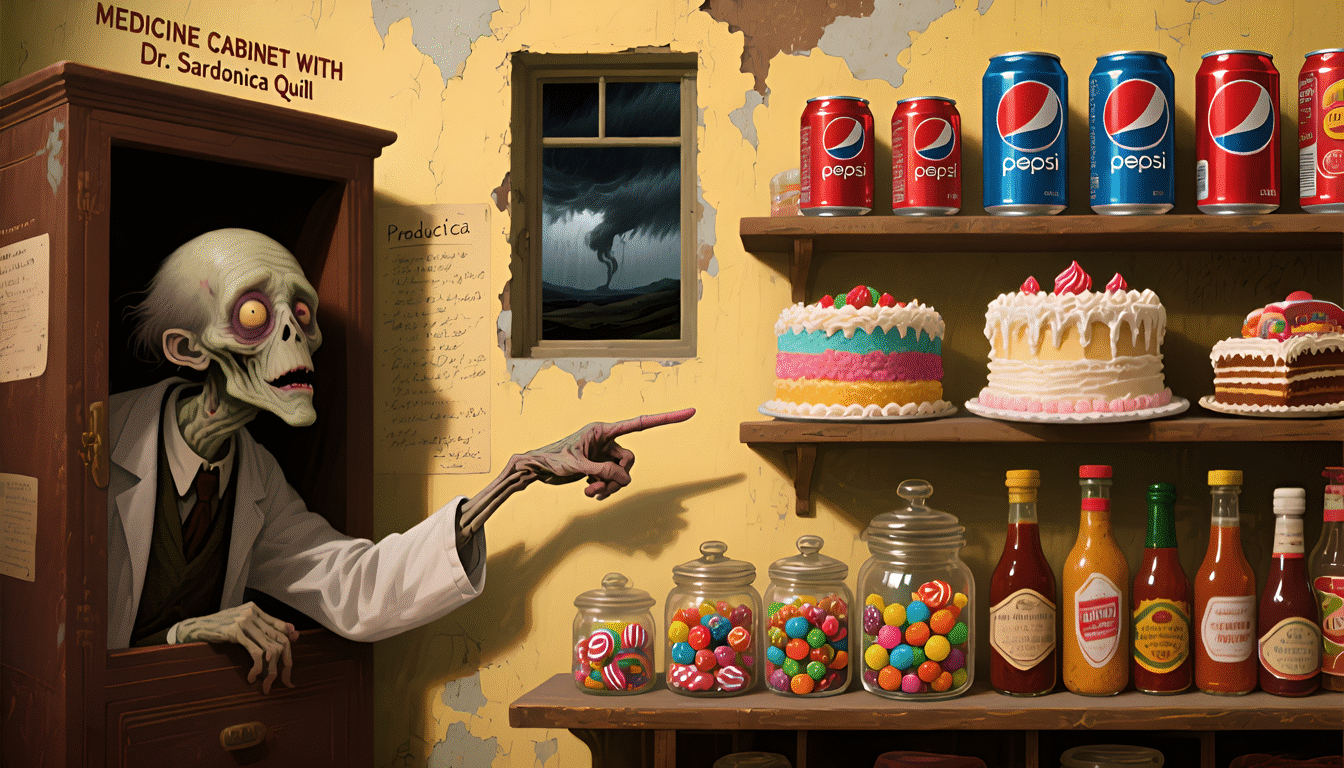


What is Caramel Coloring?Caramel coloring is a widely used food additive that imparts a brown hue to various products, including sodas (e.g., Pepsi, Coca-Cola), baked goods, sauces, candies, beers, and processed foods. It is produced by heating sugars (e.g., glucose, fructose, or sucrose) with or without acids, alkalis, or salts, resulting in four classes:
- Class I: Plain caramel (no additives, used in whiskey or natural foods).
- Class II: Caustic sulfite caramel (used in some beers).
- Class III: Ammonia caramel (used in beer, sauces, and gravies).
- Class IV: Sulfite ammonia caramel (most common in soft drinks like Pepsi and Coca-Cola).
The primary concern with caramel coloring, especially Class III and IV, is the presence of byproducts like 4-methylimidazole (4-MEI), formed during processing with ammonia or sulfites.Prevalence in FoodsCaramel coloring is found in:
- Beverages: Colas (Pepsi, Coca-Cola), root beer, iced teas.
- Processed Foods: Soy sauce, barbecue sauce, gravies, soups.
- Baked Goods: Bread, cookies, pastries (for browning).
- Confectionery: Candies, chocolates.
- Alcoholic Beverages: Some beers, whiskeys, and liqueurs.
Health Risks of Caramel ColoringBased on peer-reviewed studies, regulatory data, and expert insights, the primary health concern with caramel coloring (particularly Class III and IV) is 4-MEI, with additional risks in sensitive populations. Below are the documented risks:
- Cancer Risk (4-MEI):
- Mechanism: 4-MEI, a byproduct of ammonia-based caramel coloring, is classified as a possible human carcinogen (Group 2B) by the International Agency for Research on Cancer (IARC, 2011). Animal studies (Toxicology and Applied Pharmacology, 2011) showed that high doses of 4-MEI caused lung tumors in mice and liver tumors in rats.
- Human Risk: Human studies are limited, but chronic exposure to 4-MEI through frequent consumption of caramel-colored foods (e.g., daily soda intake) may increase cancer risk, particularly for lung or liver cancer. The National Toxicology Program (2007) notes 4-MEI as a potential carcinogen, prompting California’s Proposition 65 to require warning labels for products exceeding 29 mcg of 4-MEI per serving.
- Exposure Levels: A 12 fl oz can of Pepsi may contain 30-200 mcg of 4-MEI (Consumer Reports, 2014), varying by batch and formulation. Other foods like soy sauce or dark beers may contribute smaller amounts, but cumulative exposure from multiple sources is a concern.
- Immune System and Sensitivity Reactions:
- Mechanism: Some caramel colorings, particularly Class IV, contain sulfites, which can trigger allergic reactions or asthma exacerbations in sensitive individuals (Journal of Allergy and Clinical Immunology, 2009). Artificial colorings may also contribute to hyperactivity in children with ADHD (Lancet, 2007), though evidence is mixed.
- Prevalence: Sulfite sensitivity affects ~1% of the population, particularly asthmatics.
- Inflammation and Oxidative Stress:
- Mechanism: 4-MEI and other byproducts may induce oxidative stress, contributing to systemic inflammation, a precursor to chronic diseases like cardiovascular disease or diabetes (Journal of Toxicology, 2015).
- Impact: Chronic low-grade inflammation from frequent consumption may exacerbate conditions like arthritis or metabolic syndrome.
Diagnosis of Related Health ConditionsRegular consumption of foods containing caramel coloring (e.g., daily soda, sauces, or processed snacks) may contribute to:
- Cancer Risk: Low but cumulative risk of lung or liver cancer due to 4-MEI exposure, particularly in heavy consumers (e.g., multiple servings daily over years).
- Allergic/Sensitivity Reactions: Asthma exacerbations, skin rashes, or gastrointestinal discomfort in sulfite-sensitive individuals.
- Chronic Inflammation: Increased inflammatory markers (e.g., C-reactive protein), potentially worsening conditions like obesity, diabetes, or heart disease.
- Hyperactivity: Possible behavioral effects in children with ADHD or sensitivities to artificial additives.
Holistic Supplements to Counteract Health RisksTo mitigate the potential harms of caramel coloring, particularly 4-MEI and sulfite-related effects, I recommend the following evidence-based holistic supplements, tailored to address cancer risk, inflammation, and sensitivities:
- Green Tea Extract (Epigallocatechin Gallate, EGCG):
- Purpose: Contains catechins with anti-carcinogenic and antioxidant properties, reducing oxidative stress and inhibiting tumor growth.
- Dosage: 250-500 mg daily (standardized to 50% EGCG).
- Evidence: Cancer Prevention Research (2010) demonstrates EGCG’s ability to suppress tumor development in animal models exposed to carcinogens.
- Use: Supports detoxification of potential carcinogens like 4-MEI and reduces inflammation.
- N-Acetylcysteine (NAC):
- Purpose: Boosts glutathione production, a master antioxidant that detoxifies carcinogens and reduces oxidative stress in the liver and lungs.
- Dosage: 600-1200 mg daily, taken with water.
- Evidence: Antioxidants & Redox Signaling (2015) shows NAC enhances detoxification and protects against chemical-induced cellular damage.
- Use: Counters 4-MEI’s potential carcinogenic effects and supports liver health.
- Milk Thistle (Silymarin):
- Purpose: Supports liver detoxification and protects against toxin-induced damage, including from 4-MEI.
- Dosage: 200-400 mg daily (standardized to 70-80% silymarin).
- Evidence: World Journal of Gastroenterology (2011) confirms silymarin’s hepatoprotective effects, aiding in toxin clearance.
- Use: Enhances liver function to process and eliminate harmful byproducts.
- Quercetin:
- Purpose: A flavonoid with anti-inflammatory and anti-allergic properties, reducing sulfite-induced reactions and inflammation.
- Dosage: 500-1000 mg daily, taken with meals.
- Evidence: Journal of Immunology (2013) shows quercetin stabilizes mast cells, reducing allergic responses, and mitigates inflammation.
- Use: Helps manage sulfite sensitivity and systemic inflammation from caramel coloring.
- Vitamin C:
- Purpose: A potent antioxidant that neutralizes free radicals and supports immune health, potentially reducing cancer risk and allergic responses.
- Dosage: 500-1000 mg daily.
- Evidence: American Journal of Clinical Nutrition (2000) supports vitamin C’s role in reducing oxidative stress and supporting detoxification.
- Use: Complements other antioxidants to counter 4-MEI’s effects.
Modern Medical ApproachesFor individuals with significant exposure to caramel coloring or related health concerns:
- Cancer Screening: Regular lung (e.g., low-dose CT scans) or liver (e.g., ultrasound, liver function tests) screenings for heavy consumers of caramel-colored foods, especially those with other risk factors (e.g., smoking, obesity). No direct treatment exists for 4-MEI exposure, but early detection is key.
- Allergy Management: For sulfite sensitivity, allergists may prescribe antihistamines or inhaled corticosteroids for asthma exacerbations. Skin prick tests can confirm sensitivities.
- Inflammation Control: Anti-inflammatory medications (e.g., NSAIDs) or statins may be prescribed for chronic inflammation, though dietary changes are preferred.
- Behavioral Monitoring: For children with suspected hyperactivity, pediatricians may recommend eliminating artificial colorings and monitoring behavior (e.g., via ADHD scales).
Lifestyle Recommendations
- Reduce Exposure: Limit consumption of caramel-colored foods, especially sodas, sauces, and processed snacks. Check labels for “caramel color” or “E150” (European designation).
- Alternative Beverages: Replace sodas with water, herbal teas (e.g., rooibos, chamomile), or fresh fruit-infused sparkling water to avoid 4-MEI and sulfites.
- Whole Foods Diet: Increase intake of antioxidant-rich foods (e.g., berries, leafy greens, cruciferous vegetables) to naturally combat oxidative stress and inflammation.
- Label Awareness: Choose products with natural or no artificial coloring (e.g., Class I caramel in some organic foods is safer, as it lacks ammonia or sulfites).
Specific Foods with Caramel ColoringTo contextualize, here are common grocery store items containing caramel coloring, with potential risks:
- Soft Drinks (e.g., Pepsi, Coca-Cola): High 4-MEI content (30-200 mcg per 12 fl oz), contributing to cancer risk with daily consumption.
- Soy Sauce: Contains Class III or IV caramel, with lower 4-MEI levels but potential sulfite issues.
- Barbecue Sauce: Often includes caramel color for appearance, adding to cumulative 4-MEI exposure.
- Dark Beers (e.g., Stouts): Use Class II or III caramel, with minimal 4-MEI but possible sulfite reactions.
Notes
Global Variations: Some countries (e.g., EU) have stricter regulations on 4-MEI levels, but U.S. products often contain higher amounts. If you’re analyzing foods from a specific region, please clarify.
Evidence-Based Approach: Risks are based on studies (e.g., Toxicology and Applied Pharmacology, 2011; Consumer Reports, 2014) and regulatory data (e.g., IARC, FDA). While 4-MEI’s human cancer risk is not fully confirmed, precautionary measures are warranted for heavy consumers.
Cumulative Exposure: The risk from caramel coloring depends on frequency and quantity of consumption across multiple foods. Occasional intake (e.g., weekly soda) poses low risk, but daily consumption of multiple sources increases concern.

Hi, this is a comment.
To get started with moderating, editing, and deleting comments, please visit the Comments screen in the dashboard.
Commenter avatars come from Gravatar.